








|
“Leading technology companies don’t read their status for no reason. They know how to handle IT in ways that pull them ahead of competitors in the modern digital world.” - Chris Wiegman, CEO/CTO, GroupOne IT |
As you can imagine, the top tech companies in Sacramento know their way around IT. However, you don’t have to be one of them to manage your IT systems as if you are. That’s why the rest of this article will explore who the largest tech companies in Sacramento are and how you can implement their IT strategies.
Who Are The Top Tech Companies in Sacramento, California?
1. Intel Corporation
The Intel Corporation maintains one of their most critical global research and development hubs in the area. This campus is instrumental in the design and testing of next-generation semiconductor technologies, including the latest AI-accelerated processors and memory solutions.
2. Electronic Arts (EA)
EA’s Capital Games studio in Sacramento contributes to some of the most recognizable franchises in the gaming industry. The studio focuses on high-level software engineering, creative design, and the technical infrastructure required for large-scale interactive entertainment.
3. Apple
Apple has massive technical and logistical operations in the Greater Sacramento area, particularly within its sprawling Elk Grove campus. This location serves as a vital hub for global product repair, technical support, engineering, and distribution logistics that keep the company’s ecosystem running.
4. Micron Technology
Micron Technology has a large engineering and research presence in Sacramento. They develop memory and storage products used in many types of technology, including DRAM and NAND, which are used in both mobile devices and data centers.
5. Infinium
Infinium develops alternative fuels to reduce carbon emissions from transportation, such as airplanes and ships. They develop their own technology to turn carbon dioxide and green hydrogen into liquid fuels. Currently, they are greatly expanding production capacity to meet rising global demand for lower-carbon fuel options.
Which Sacramento Technology Companies Are Set to Become Future Leaders
1. Rhombus Systems
Rhombus Systems develops technology for physical security. The company combines high-definition hardware with cloud software that uses artificial intelligence. Their platform allows businesses to manage smart cameras, access control, and environmental sensors through a single, unified interface.
2. Azra Games
Azra Games is a video game studio that develops role-playing games that use blockchain technology to support digital ownership. The studio focuses on building strong gameplay experiences while allowing players to own and trade certain in-game items. After receiving major venture capital funding in late 2025, Azra Games continues to grow as it develops games that use Web3 technology.
3. InnerPlant
InnerPlant is an agricultural technology company that develops plants that act as living sensors. The company modifies plants so they signal when they face stress from pests or low water. This system helps farmers apply water and treatments more precisely. Large commercial farms use this technology to reduce chemical use and improve crop production.
4. Lirio
Lirio is a health technology firm that uses behavioral science and artificial intelligence to drive better patient outcomes through personalized communication. Their platform analyzes vast amounts of data to deliver the right health message to the right person at the right time.
5. Campus.edu
Campus.edu was originally a long-standing institution in Sacramento known as MTI College, but it was acquired and rebranded as Campus.edu after a major investment from Silicon Valley venture capitalists. They are now effectively growing to become the "Amazon of Colleges" by offering low-cost alternatives to traditional higher education programs.
|
Learn More About How Sacramento Businesses Use Technology |
How Do Big Tech Companies in Sacramento Manage Their IT?
1. Zero-Trust Architecture
Modern technology leaders no longer treat everything inside a private network as safe. They now use a zero-trust approach. This method requires every user and device to verify identity each time they access the IT system, whether they work in the office or from another location.
2. Internal Developer Platforms (IDPs)
Many big tech companies now use platform engineering to help developers work faster. The approach creates standard self-service portals where developers can access approved tools and services.
These portals provide “golden paths,” which are pre-approved tools and workflows. Teams use them to deploy software or set up cloud resources without waiting for an IT administrator to process a ticket.
3. Cloud FinOps
Many companies now use a proactive approach called “shift left” FinOps instead of reacting to costs after they appear. This method places financial data inside the engineering process. Technical teams can see the cost impact of their design choices before they deploy new systems.
4. Unified Endpoint Management (UEM)
With hybrid work now common, many tech companies manage large groups of laptops, phones, and other devices through centralized platforms. These systems let IT teams apply security settings, send software updates, and erase sensitive data from lost devices without needing physical access.
A single dashboard manages multiple operating systems in one place. This approach reduces the effort required to support employees who work across many locations.
5. AI-Driven Threat Detection
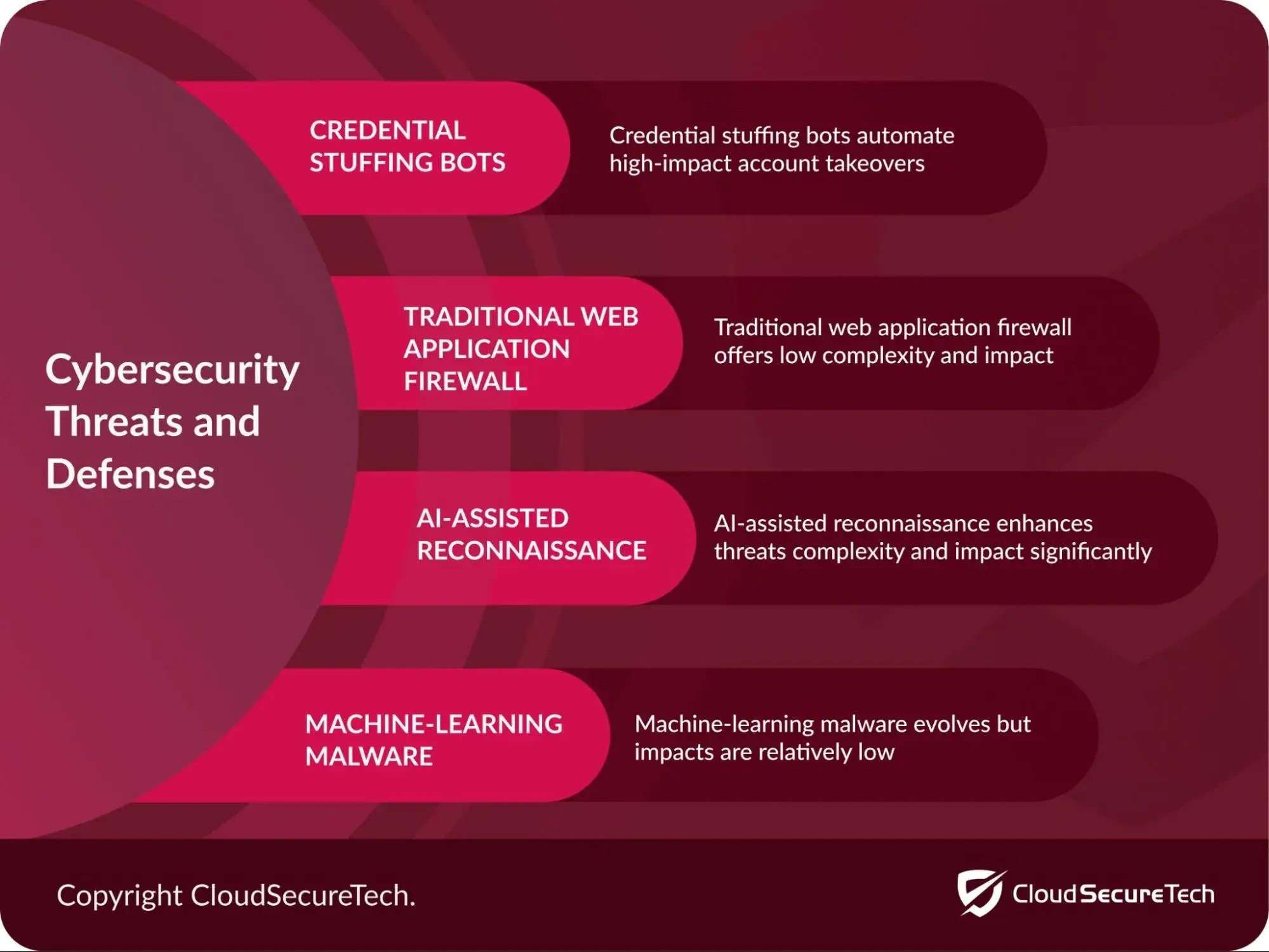
Faced with increasingly sophisticated cyber threats, leading technology companies now use autonomous AI systems to help detect and respond to cyber threats. These systems analyze large amounts of network traffic in real time. When the system detects a threat, it can isolate the affected server or user account automatically.
Source: CloudSecureTech
6. Infrastructure as Code (IaC)
Many technology companies manage their IT systems through a method called Infrastructure as Code (IaC). IT teams define servers, databases, and network settings in text files instead of setting them up by hand through menus. These files stay in version control systems, so that teams can track changes and quickly rebuild the full environment if a major failure or system move occurs.
Strategies You Can Use to Manage Your IT Like The Largest Tech Companies in Sacramento
|
Zero Trust Architecture |
|
|
Internal Developer Platforms (IDPs) |
|
|
Cloud FinOps |
|
|
Unified Endpoint Management (UEM) |
|
|
AI-Driven Threat Detection |
|
|
Infrastructure as Code (IaC) |
|
Find The Help You Need to Run Your Business Like Large Tech Companies in Sacramento
If you’re ready to start managing your IT like one of the top Sacramento tech companies, you’ll need the experts who can help you do that. If you don’t have them in-house, you can count on GroupOne IT for the job.
Our team can assist you by providing:
- IT support
- IT helpdesk services
- IT consulting
- Cybersecurity
- IT network support
- IT outsourcing
- and more!
Contact us today to get started!
